

Reports show that the number of flexible workspace locations operating in Wales currently stands at 131 sites.
On the surface, that sounds like positive news, right?… more coworking spaces, more flexibility, more places to work.
But there’s a question sitting underneath the headlines that deserves more attention:
What do we actually mean when we say “coworking space”?
Because not all coworking spaces are created equal.
The Problem With One Definition
The term “coworking” has become incredibly broad.
Today, it can describe everything from:
- Serviced offices with shared desks
- Coffee shops with high-speed internet
- Community-led coworking spaces focused on collaboration and support
These environments offer very different levels of support, connection, and opportunity.
Unfortunately, the industry often fails to take note of that difference.
It tends to group these spaces together in reports and headlines as if they offer the same value, which is problematic.
Because when we focus purely on the number of coworking sites, we risk missing the bigger conversation about what actually helps businesses succeed.
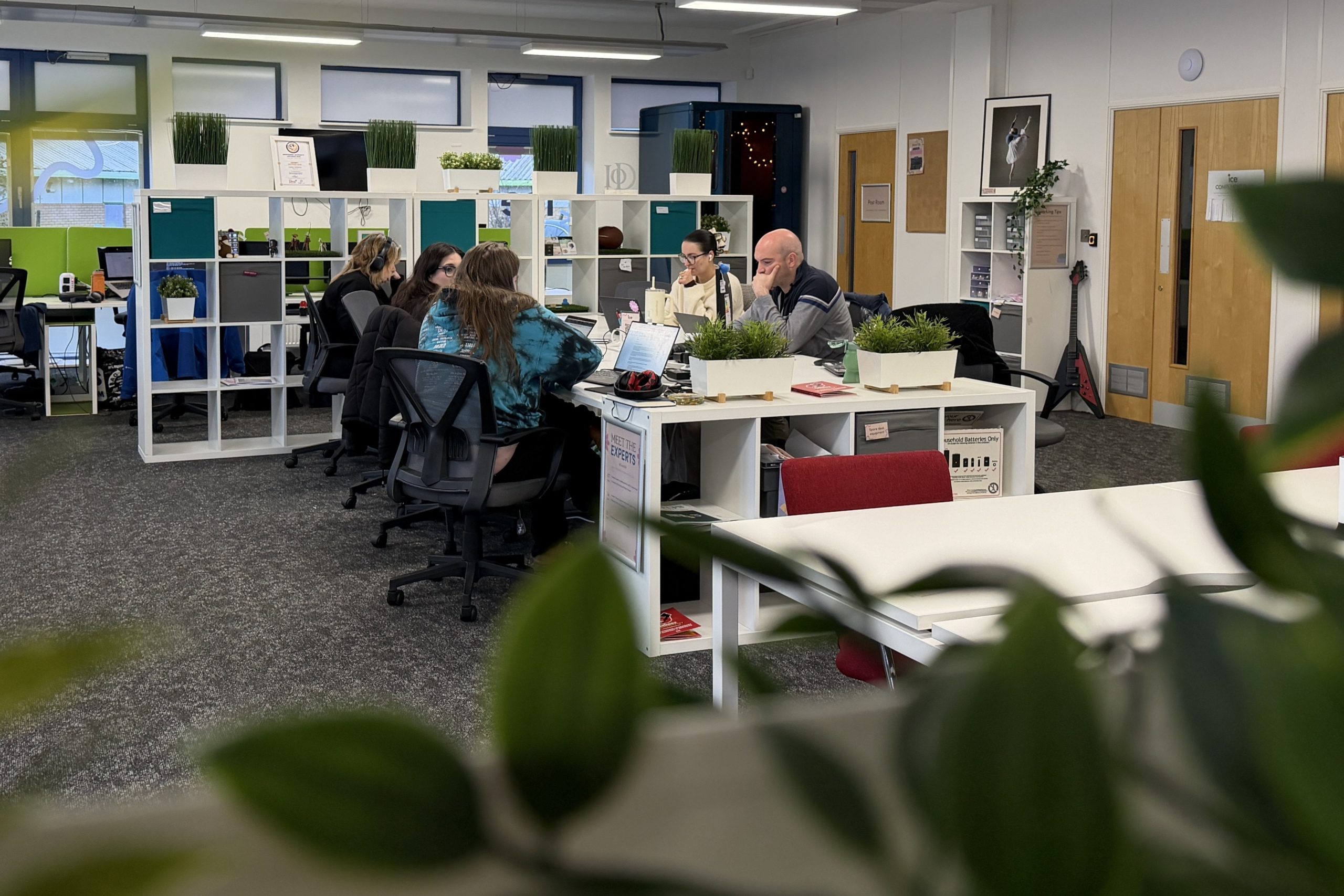
A Desk is Not a Community
Physical space, good internet access and a comfortable environment are essential for entrepreneurs, yes.
But the physical space rarely makes a difference between successful and struggling businesses.
Instead, the real challenges facing early-stage entrepreneurs include:
- Confidence and a sense of belonging
- Accountability and momentum
- Access to support networks and trusted connections
- Awareness of opportunities, events and learning
- A culture of collaboration
Many people start businesses alone, often while balancing work, family responsibilities, caring commitments, or financial pressure.
To these people, coworking is not just a possibility of using an office desk.
It is access to a community that provides support, connections, and opportunities for growth.
The Difference Between Working Spaces and Entrepreneurial Ecosystems
Some locations are mainly focused on providing workspace and office space.
These are places offering desks, offices, meeting rooms and flexible workspace options.
This is not a problem, of course.
Flexible workspaces play an important role, but they are only part of the picture.
But there is a growing need for spaces that go beyond real estate and actively build entrepreneurial communities and business support ecosystems, while also connecting people into the wider regional network.
These locations offer not just access to office furniture.
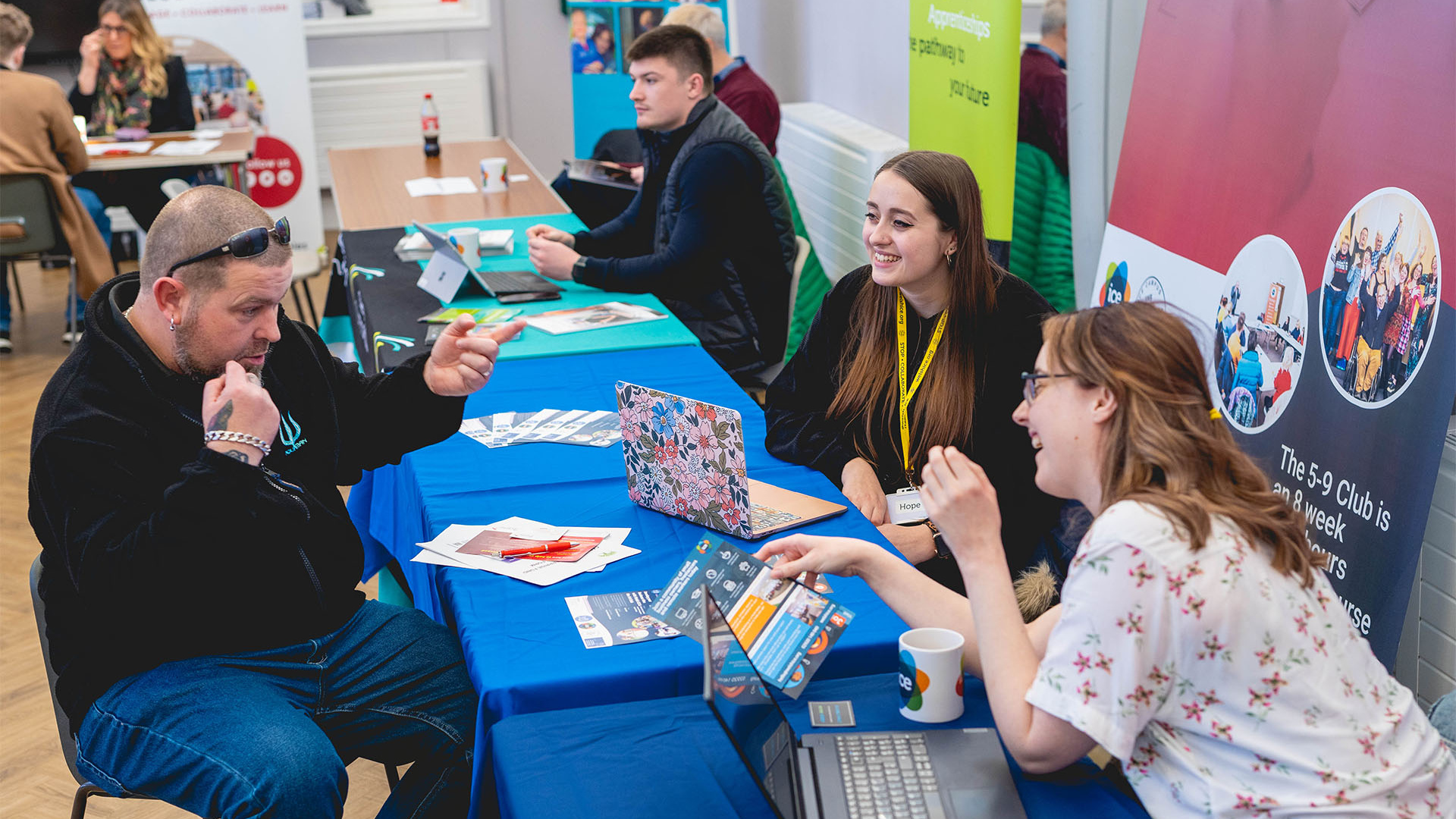
They facilitate interaction, collaboration and meaningful business connections between their members.
They bring entrepreneurs together to learn from each other, exchange ideas and build partnerships that support long-term business growth.
For entrepreneurs living in areas other than Cardiff, accessing such locations is not a convenient luxury.
It is an opportunity for gaining access to the network and information necessary for thriving in the current economic climate.
In the economically underdeveloped regions of Wales, where entrepreneurs struggle to gain access to investors and other players of the entrepreneurial ecosystem, community led locations can serve as a crucial connection point.
These communities are often not hard to reach; they are simply disconnected from mainstream business support.
The Real Value of the Incubator
The difference between a workspace and an incubator is not always visible, but it is significant.
One provides physical space. The other creates value through:
- Curated connections between businesses
- Events and learning opportunities
- Informal peer mentoring
- Business support and signposting
- Introductions to partners and funders
- Confidence building environments
- Long-term relationships and community
These aren’t “extras”, they are often the difference between survival and failure.
Why Wales Needs More Incubators Rather Than Workspaces
Wales does not necessarily need more coworking spaces simply for the sake of volume.
What Wales needs is greater access to spaces that genuinely help people start, survive, thrive and grow.
This matters particularly in communities where entrepreneurship is still developing, or where people may not naturally see business ownership as something available to them.
A welcoming, community-focused space can become a gateway into confidence, skills, partnerships and sustainable business growth.
When done well, these spaces become more than offices, they become local infrastructure for growth, support and connection.
What This Looks Like in Practice
At Welsh ICE, we see what happens when a coworking space becomes more than square footage.
People don’t just rent desk space; they find collaborators, build confidence, and access opportunities they wouldn’t find alone.
A partnership forms.
A new client appears.
A funding conversation starts.
But often the impact is much quieter than that….
It’s somebody staying in business because they no longer feel isolated.
Across Welsh ICE, we’ve supported more than 2,000 entrepreneurs, with 77% of businesses still trading beyond three years.
We’ve contributed more than £53 million in economic value to Wales.
But the real impact sits in the connections, support and confidence built within the community.
The Funding Gap We Rarely Talk About
Wales is not short of investment into buildings.
But buildings alone do not create entrepreneurial ecosystems.
A beautifully renovated space without activation can still sit quiet.
An empty building with fast internet does not automatically create connection.
What incubators need isn’t just capital, but revenue funding to build community, support programmes, and connections.
Funding that supports:
- Community building
- Events and learning programmes
- Outreach
- Partnership development
- Founder support
Because incubators succeed through people: not just property.
The Rise of “Invisible Infrastructure”
One of the biggest misconceptions about entrepreneurial communities is that their value can be difficult to measure.
You can count desks, occupancy, and square footage.
But it is harder to count trust.
Harder to count introductions.
Harder to count confidence.
Harder to count the moment somebody decides not to give up because they met the right person in the right room at the right time.
This is what I often think of as invisible infrastructure – the relationships, networks and sense of belonging that quietly sit underneath business growth.
Unlike physical infrastructure, it cannot always be photographed or measured easily.
But it shapes whether people stay engaged, whether partnerships form, and whether founders feel they belong.
These things are easy to overlook because they do not always appear in headline statistics.
But they are frequently the reason spaces matter in the first place.
A More Useful Conversation
After almost 14 years of running a coworking/incubator space – and as the pioneers of coworking – The rise in coworking across Wales is not a bad thing.
Flexible workspace matters.
Choice matters.
Accessibility matters.
But perhaps the more useful conversation isn’t:
“How many coworking spaces do we have?”
Maybe it’s better to ask:
“What kind of spaces are we building – and what outcomes do they create?”
Because the future of coworking is unlikely to be defined by square footage alone.
It will be shaped by the spaces that create connection, reduce isolation, and help people build sustainable businesses; and perhaps that’s the real opportunity for Wales…
Not just to create more spaces, but to create more places where entrepreneurship genuinely feels possible.